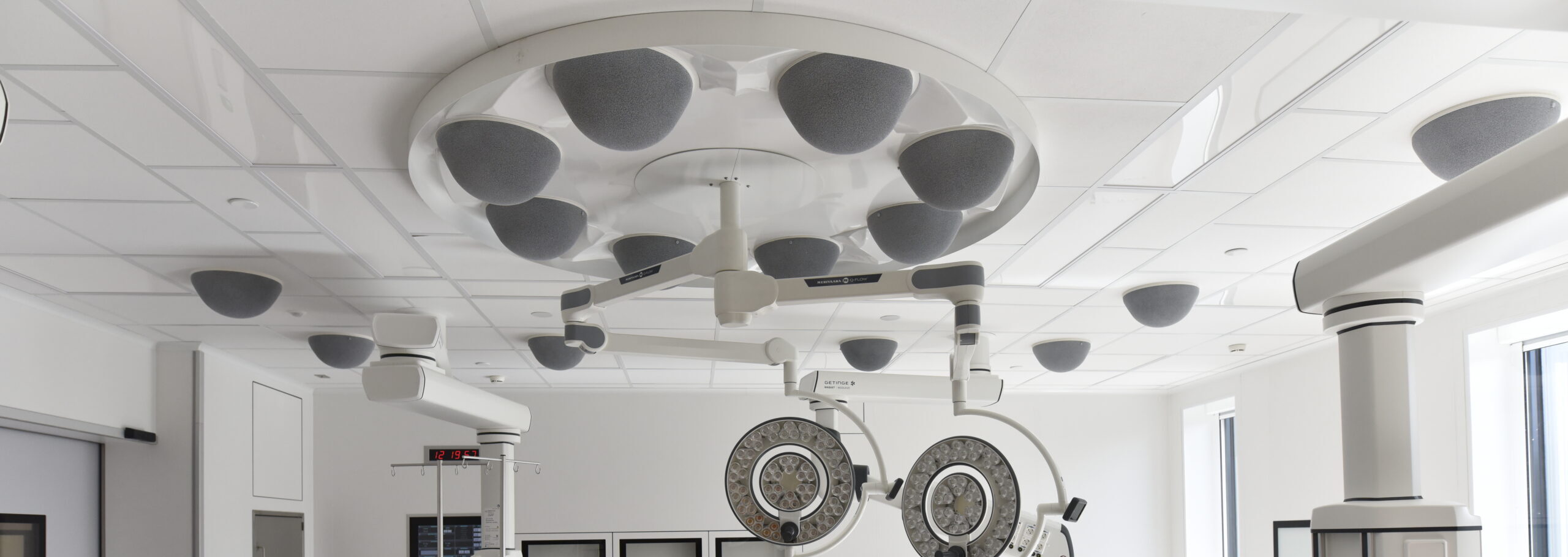
Designing Operating Rooms for the Future
Designing operating rooms for the future is not simply about installing new equipment. It requires a holistic approach that integrates clinical needs, technological innovation, and environmental responsibility while allowing the operating environment to adapt as those needs change. When these elements are combined effectively, hospitals can create operating environments that support both today’s surgical demands and tomorrow’s healthcare challenges.
One important consideration in modern operating room design is adaptability. Surgical procedures today often require a wide range of equipment, from robotic systems to advanced imaging technologies. These systems occupy significant space and can influence airflow patterns within the room. As a result, ventilation systems must be designed to accommodate dynamic environments where equipment placement, surgical team movement, and workflow can vary from one procedure to another.
Traditional ventilation strategies often focus on creating a protected zone directly above the operating table. While this approach has proven effective in many situations, it may not fully address the complexity of modern surgical spaces where activity occurs throughout the room.
Future-oriented operating rooms increasingly emphasize maintaining high air quality across the entire environment. Ventilation, lighting, equipment placement, and workflow design must all be coordinated to create safe and efficient surgical spaces.


This is where flexibility in both airflow and room design becomes increasingly important. TcAF and the Opragon system are designed to provide flexibility in airflow, allowing the ventilation system to be adapted to the requirements of the operating environment. At the same time, the system’s design can provide greater flexibility in how the operating room is planned and used. This can allow equipment, surgical workflows, and room layouts to be considered and adapted as requirements change over time.
This flexibility can be particularly valuable when planning for technologies and surgical procedures that may not yet be part of a hospital’s current operating model. By considering airflow and spatial flexibility together from the beginning, operating rooms can be designed to accommodate changing clinical needs while maintaining a consistent focus on air quality and the working environment.


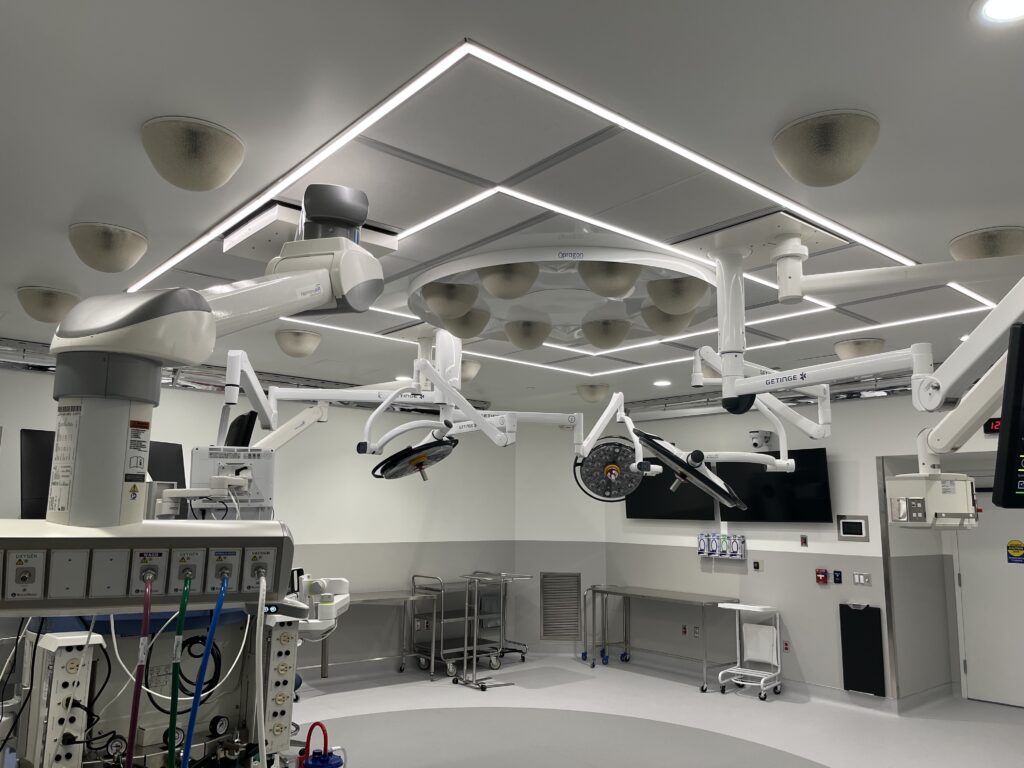

In addition, hospitals must consider long-term sustainability and operational costs when planning new operating rooms. Energy-efficient ventilation technologies can help reduce the environmental impact of healthcare facilities while maintaining strict hygiene standards. A flexible airflow concept can support this approach by allowing airflow to be considered in relation to the actual requirements of the room and its use.
Planning new surgical facilities or upgrading existing operating rooms?
Discover how airflow design can support flexible and future-ready operating environments. Explore our Customer Cases here.