
Reducing Energy without Compromising Safety
Hospitals worldwide are under increasing pressure to reduce their environmental footprint. Healthcare facilities are energy-intensive by nature, and operating rooms are among the most demanding areas in terms of energy consumption.
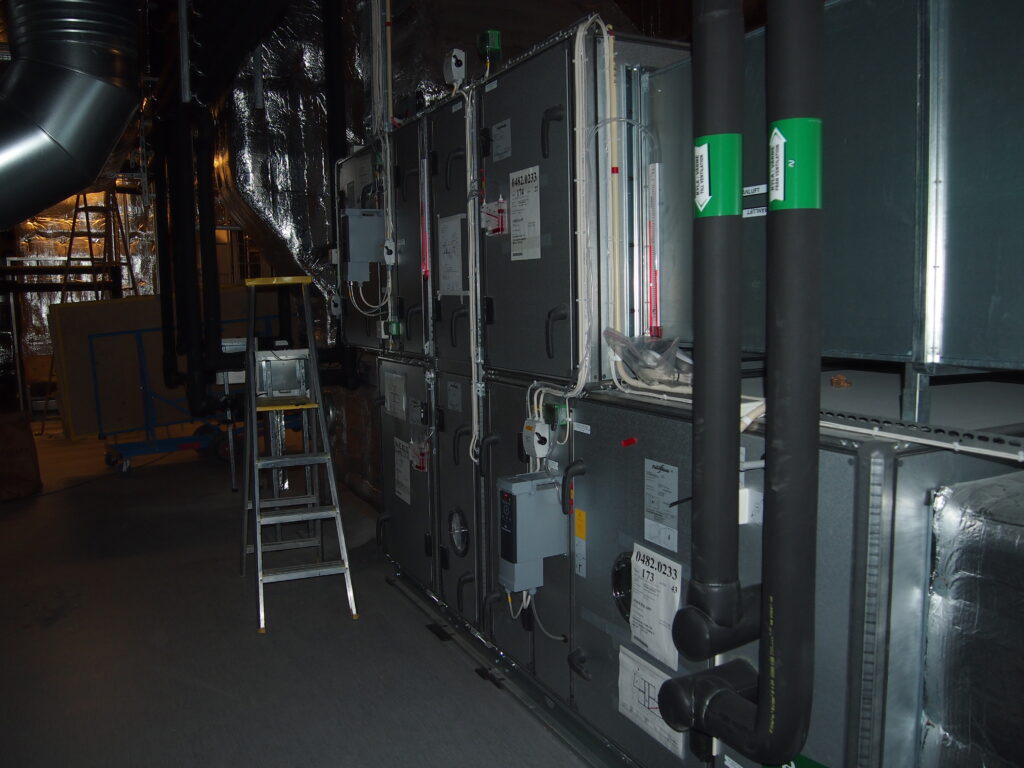
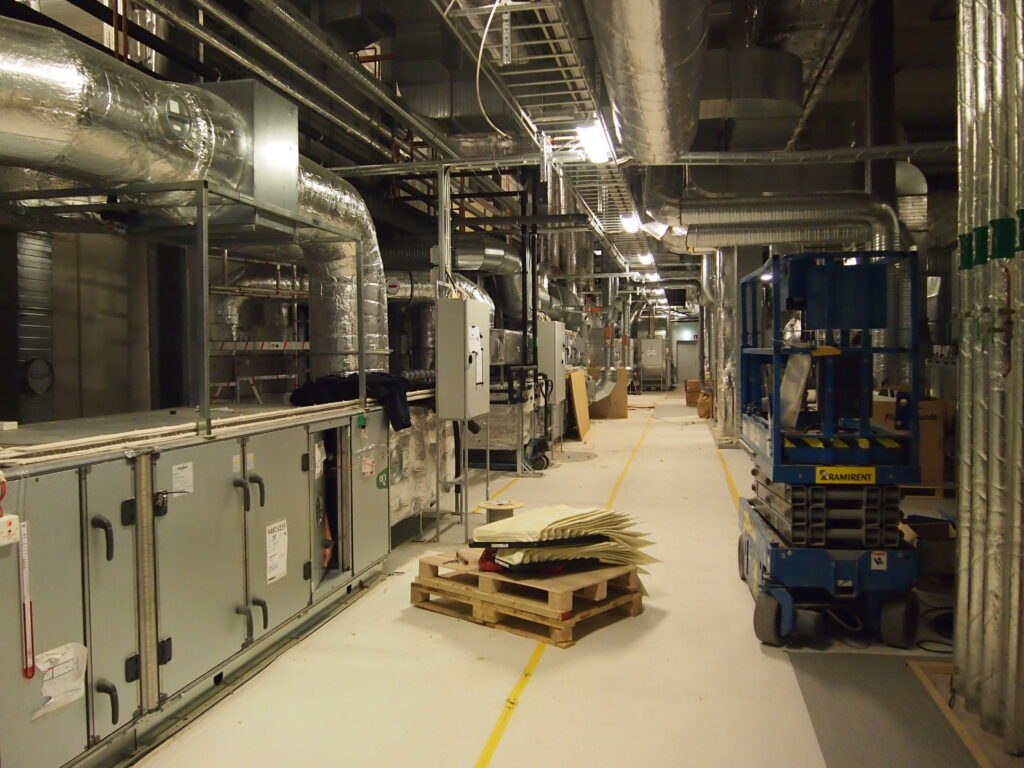
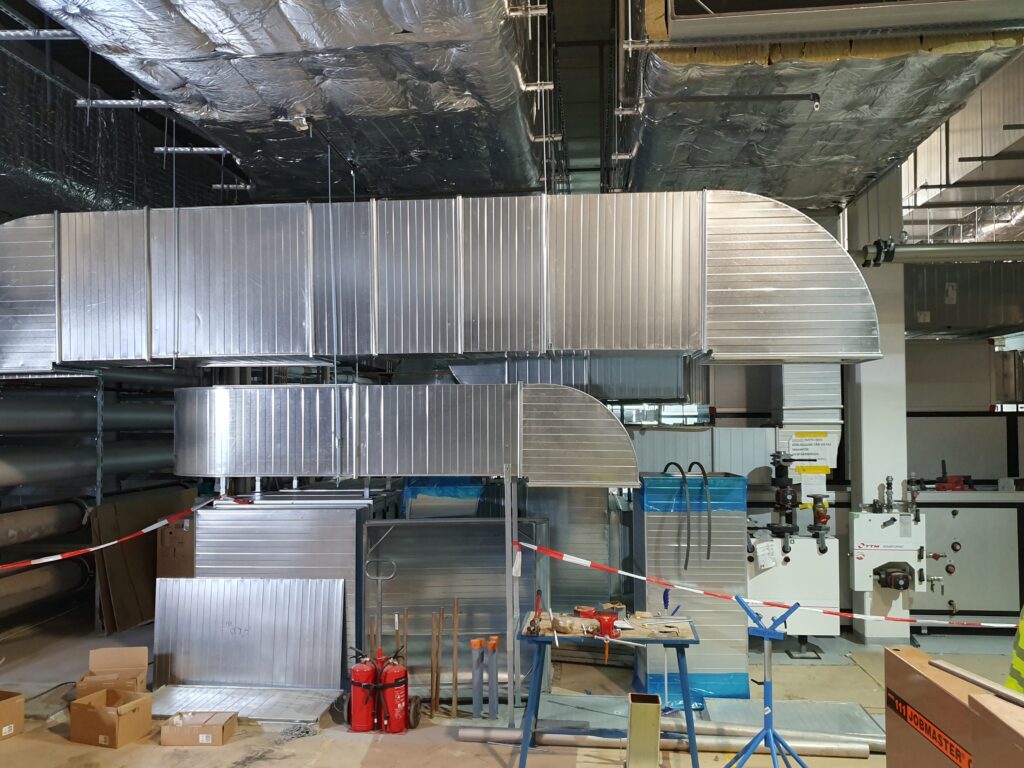
Ventilation systems are a major contributor to this energy use. Operating rooms require continuous air supply, strict temperature control, and high levels of air cleanliness. These requirements often lead to large airflow volumes and around-the-clock operation, which significantly increases energy demand.
At the same time, patient safety cannot be compromised.
The challenge for modern hospitals is therefore clear: how can operating rooms maintain the highest standards of infection prevention while reducing energy consumption?
An obvious first step is ensuring that energy is used only when needed. With Opragon, ventilation can be time-controlled according to the needs of the operating room. This makes it possible to reduce ventilation when the room is not in use, while quickly getting back to the required airflow and air cleanliness before surgery starts.
Opragon can also be operated in different modes depending on risk of infection for a procedure. For example, a clean mode can be used for general surgery and an ultra-clean mode for infection-sensitive procedures. This allows the ventilation to be adapted to the clinical situation.
Another important step is optimizing airflow efficiency. Advanced ventilation systems like Opragon are increasingly designed to control how air moves within the operating room, rather than relying solely on large air volumes to maintain cleanliness.
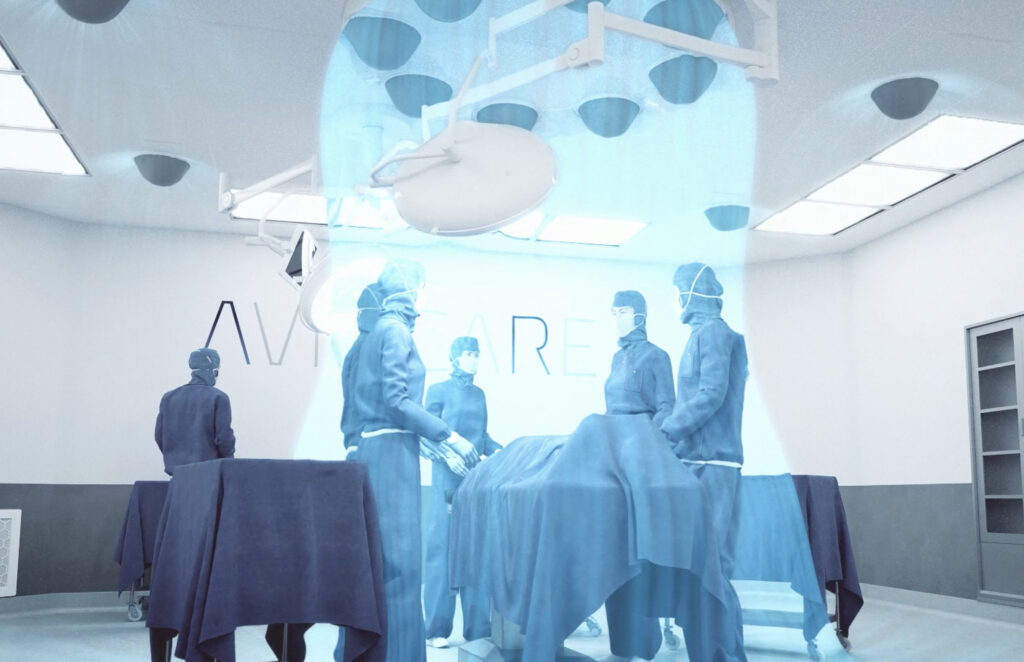
By creating stable airflow patterns and effectively removing airborne particles, these systems can maintain ultra-clean environments with lower airflow rates.
In addition to reducing energy use, improved airflow management can also enhance the overall stability of the operating room environment. Consistent temperature, minimized drafts, and predictable airflow patterns contribute to a better working environment for surgical teams.
Sustainability in healthcare is not only about reducing carbon emissions, but also about designing smarter systems that support both patient safety and operational efficiency.
Ultimately, however, the most sustainable operating room is one that prevents infections. Avoiding a surgical site infection protects the patient from additional treatment, prolonged hospital stays, further use of healthcare resources, and the environmental impact associated with that additional care. In this sense, patient safety and infection prevention are at the heart of sustainability, saving more resources than almost any other measure.
As hospitals plan new surgical facilities or upgrade existing ones, ventilation technology will play a crucial role in achieving this balance between environmental responsibility and clinical performance.
Looking for ways to improve both sustainability and patient safety in surgical environments?
Explore how innovative ventilation solutions can support energy-efficient operating rooms.